
Imagine the CEO of a global chemical construction company tells you:
“We need a new strategy for Brazil. Our business there isn’t growing, and profitability keeps strugling. Will you take on this challenge?”
After completing a project in the U.S., I knew this one would be tougher – a new continent, a new language. I proposed spending six months in Brazil, with three of those months directly in the market.
The first meeting with the GM was tense. The managers weren’t fully convinced about the purpose of my visit. I was told that the company’s strategy relied on broad distribution (130,000 outlets) — even reaching people building homes in the favelas — and that the main issue was pricing.
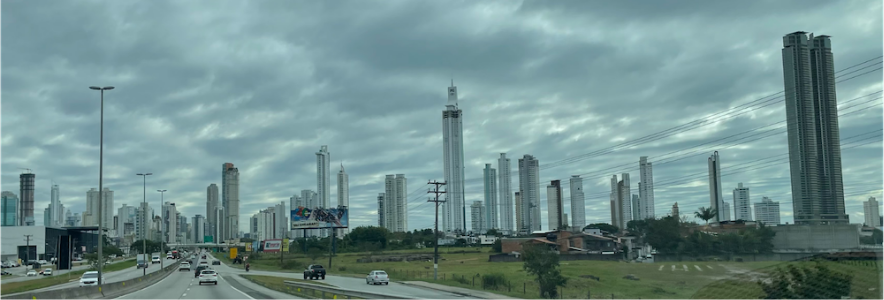
But on my way south to Porto Alegre, I noticed something that surprised me. Everywhere I looked, 30–40-story residential buildings were rising. The same was true in Rio, São Paulo, and Brasília. Yes, individual houses I noticed were being built, but only in the favelas. And those people were building at the lowest possible cost with traditional methods — while our products were innovative, higher quality, and more expensive. I started to wonder: are we really targeting the right customer?
This became even clearer during a visit to a construction site near São Paulo, run by one of the country’s largest developers. I saw a worker using our foam adhesive to install EPS panels. He had never been trained, yet he couldn’t stop smiling — the job was faster, easier, and cleaner, with no cement mortar around. This developer operated in over 350 locations, and in each of them they were building at least a dozen towers.
A hypothesis began to take shape in my mind: our real market wasn’t the individual consumer, but large construction companies. Statistics confirmed it — 70% of the value of Brazil’s construction materials and services market came from companies with more than 30 employees. And there were about 70 giants with over 500 employees. A detailed analysis of our sales also showed that orders from this one developer were growing rapidly and carried high margins, even though we were present on only 45 of their 350 sites. Extrapolating sales made it clear how much potential lay in this type of customer.
Key insights:
Field visits allowed me to verify the existing strategy, ask the right questions, and form hypotheses that data analysis later confirmed. Together with the local team, we developed a new strategy that was approved by headquarters and is still being implemented today.
The project also had a “side effect”: I gained wonderful friends in this beautiful country full of opportunities.
This experience reinforced my belief that winning strategies are not born in conference rooms, but on construction sites, in stores, and in conversations with customers.
That’s where the insights emerge — the ones that later shape successful strategies.
#RTMstrategy #marketing #businessstrategy
